Football: The Heartbeat of the Nation
Football is the most popular sport in Zimbabwe, played in schools, townships, rural communities, company teams and organised leagues, making it more socially widespread than sports that depend on expensive specialist facilities. The Zimbabwe Premier Soccer League sits at the top of the domestic system, with traditional clubs such as Dynamos and CAPS United in Harare and Highlanders in Bulawayo carrying strong local identities.
On the international stage, the men’s national team, the Warriors, continues to fight for regional and continental relevance, while striker Knowledge Musona remains one of the country’s most recognisable football exports, alongside legends like Peter Ndlovu, the nation’s all-time leading goalscorer.
Cricket: Punching Above Its Weight
Cricket is the second most popular sport in Zimbabwe after football, and the national team is one of just 12 elite Full Members of the International Cricket Council permitted to play Test cricket — a remarkable achievement for a country of its size. The sport has produced some of the world’s best cricketers, including legendary batsman Andy Flower, who scored a record-breaking double century against India in 2001. Zimbabwe also co-hosted the 2003 Cricket World Cup alongside Kenya and South Africa.
Rugby: The Sables’ Enduring Legacy
Rugby union ranks as one of the oldest and most popular sports in the country, with the national team, known as the Sables, playing international rugby since the early 1900s. The Sables have appeared in two Rugby World Cups, and the team won the Africa Cup in 2005. The sport has particular strongholds in Harare and the Mashonaland East region, especially Marondera, thanks to its high-quality boarding schools.
Beyond the Big Three
Zimbabwe’s sporting culture runs far deeper than its headline sports:
- Swimming — Olympic champion Kirsty Coventry remains one of the country’s most celebrated athletes, having won seven Olympic medals across the 2004 and 2008 Games.
- Golf — Nick Price won the PGA Championship in both 1992 and 1994, cementing Zimbabwe’s presence on the world golf stage.
- Tennis — Wayne Black claimed the men’s doubles title at the 2004 Athens Olympics.
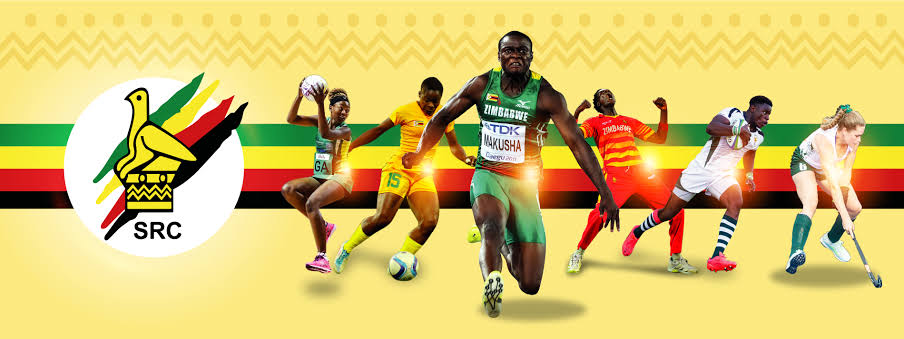
- Field hockey, netball, athletics and martial arts all maintain strong traditions, particularly through the country’s school-sport system.
A Culture With Both Depth and Challenge
Sport in Zimbabwe is shaped by several different systems at once, with Harare and Bulawayo serving as the main centres of organised sport, though the national picture extends through mining towns, provincial clubs, mission schools, universities and community grounds. While the country’s strong school-sport tradition has helped develop athletes across many disciplines, limited funding, ageing venues and the departure of talented players abroad have often weakened the pipeline from youth competition to senior success.
Despite these challenges, Zimbabwe continues to produce athletes who compete — and win — on the world stage, a testament to the depth of sporting culture running through every corner of the country.